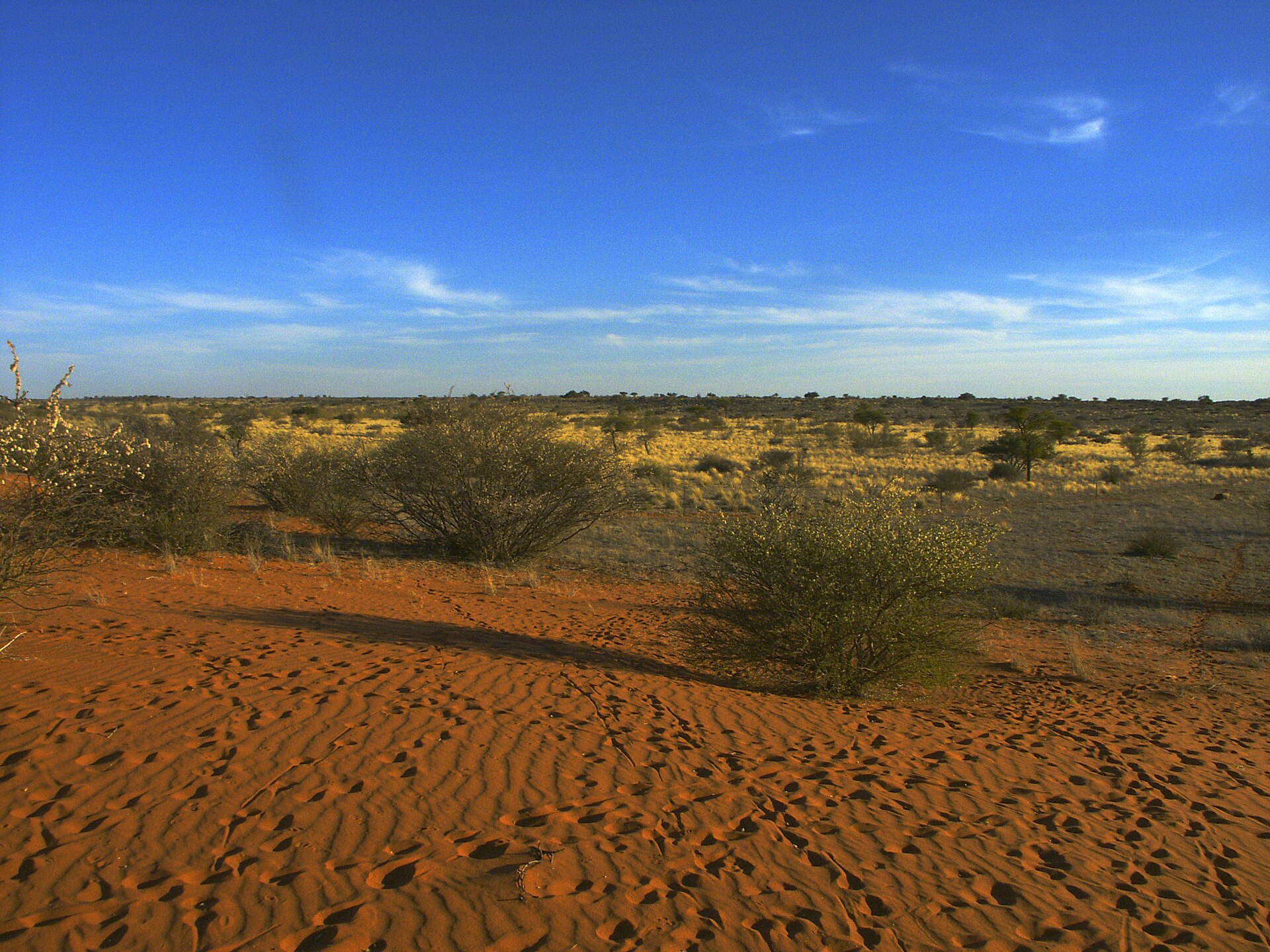
Guest farms are a Namibian institution. Long before the country had a tourism industry, farming families were hosting travelers crossing the vast distances between towns. That tradition never went away. Today a farm stay remains one of the most genuine ways to experience Namibia, and quite different from a lodge or a guesthouse.
If you have never stayed on a working farm, here is what to expect.
It is a real farm, not a theme park
The defining feature of a farm stay is that the farm comes first. Cattle need to be checked, the borehole pump needs attention, and the vegetable garden needs water, whether or not guests are watching. You are staying inside a working agricultural business, and the rhythm of the place follows the animals and the seasons, not a hospitality schedule.
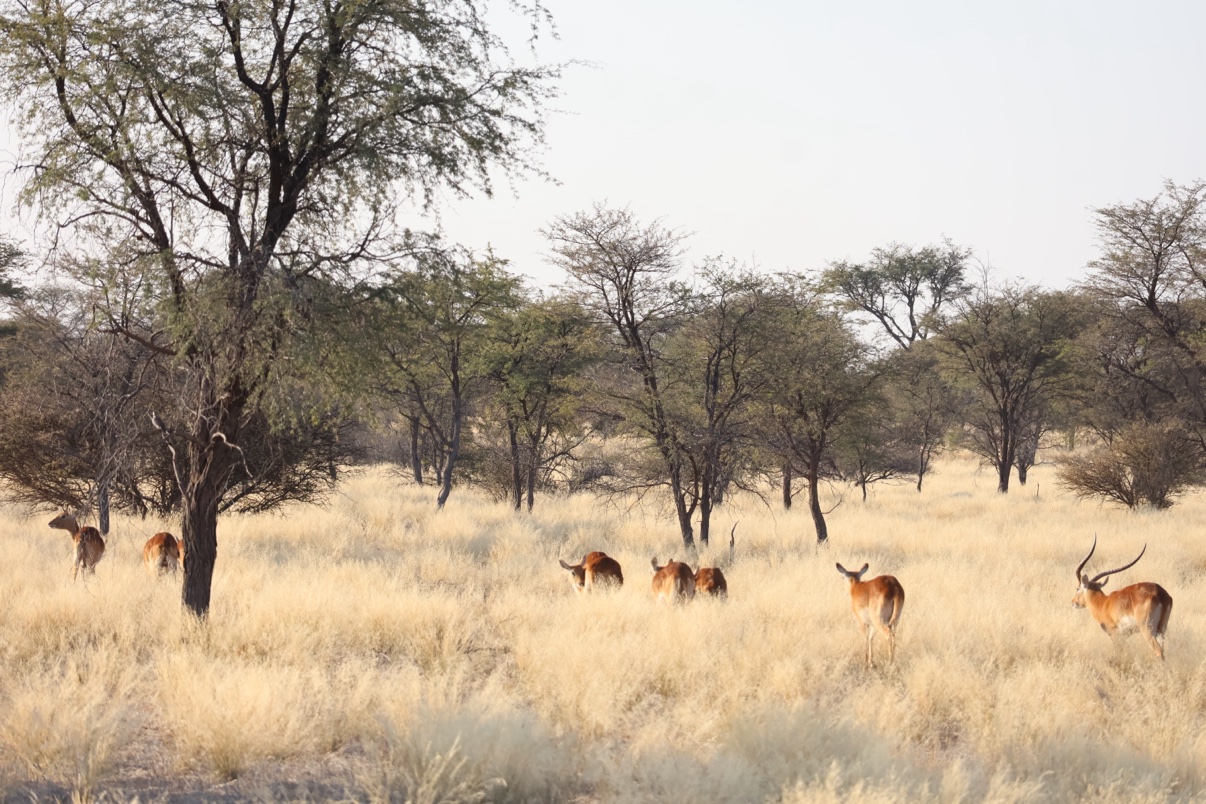
That is the charm. Mornings start early with animal sounds instead of alarm clocks. You might watch the farm team head out on their rounds, see oryx drift past the fence line, and eat breakfast made from ingredients grown within sight of your table.
What a day looks like
A typical farm stay day is gloriously unstructured, but it often falls into a natural pattern:
- Early morning: game is most active around sunrise. Walk to the waterhole, join the milking, or just drink coffee on the veranda while springbok come down to drink.
- Midday: the Kalahari sun is strong, so this is rest time. Read in the shade, swim if there is a pool, or help with a farm activity like biltong making.
- Late afternoon: the golden hours. A farm walk or drive, sundowners facing west, and the sky doing something spectacular.
- Evening: a braai or a home-cooked farm meal, then the night sky. Bed comes early and sleep comes easily.
Chalet, room, or campsite?
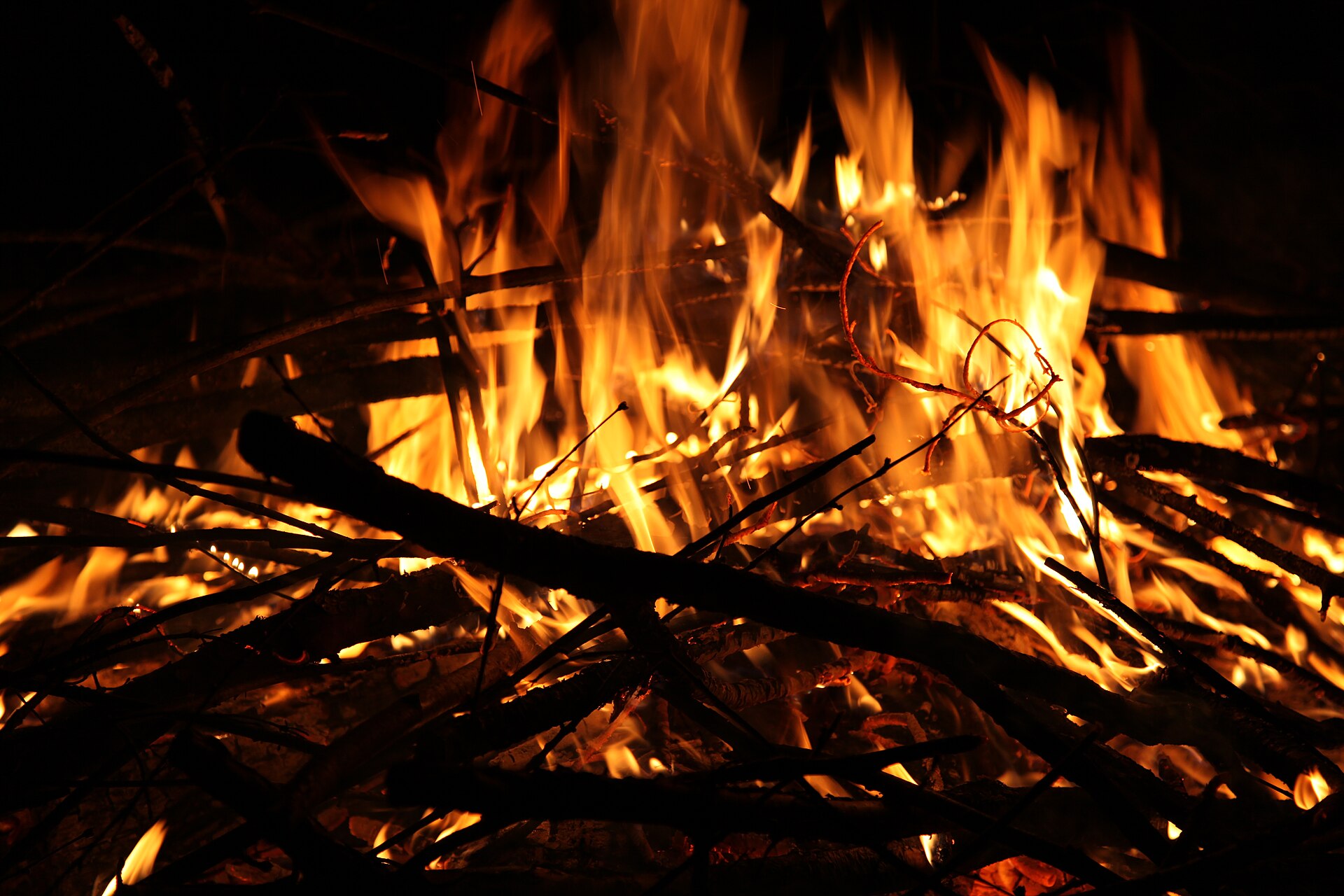
Namibian farm stays usually offer one or more of three setups. A chalet or guest room on the farm gives you comfort, a private bathroom, and often a veranda facing the veld. A campsite on the farm gives you the full self-drive experience: your own fire, your own tent, and the same stars. Some farms also offer farmhouse rooms inside the main homestead, which is the most personal option of all.
At Zania we offer the chalet, bookable on Airbnb, and a campsite for around 20 guests, both overlooking the waterhole. More chalets are being built.
The food is the point
Farm food in Namibia is honest and generous: grilled meat from the farm, potjiekos slow-cooked over coals, fresh farm bread, and vegetables from the garden. Biltong, the air-dried spiced meat that is practically a food group in Namibia, is often made on the farm itself. If you get the chance to learn how it is made, take it.
What to pack
- Warm layers for winter nights (May to August). Kalahari nights drop close to freezing even when days are mild.
- A torch or headlamp for walking to the fire pit after dark.
- Binoculars if you have them. Game viewing from the veranda is a real thing.
- A cooler box if you want to buy farm meat to take with you.
- An open schedule. The best farm stay moments are unplanned.
Farm stay etiquette
A farm is someone's home and workplace. A few courtesies go a long way: keep noise down at night, as sound travels far in the bush; do not approach livestock or game on foot without asking; close gates behind you; and let your hosts know your plans for the day so nobody worries. If you are offered a farm activity, say yes. That is where the stories come from.
A farm stay is the opposite of a checklist holiday. You do less, notice more, and leave feeling like you actually rested.
Is a farm stay right for you?
Choose a farm stay if you want quiet, authenticity, and a window into rural Namibian life. Choose a lodge if you want guided game drives and full service. Many travelers do both: a farm stay at the start or end of the trip, and lodges in the national parks in between. That combination is hard to beat.
Experience it yourself
Zania is a working Kalahari farm stay between Windhoek and Mariental, with a chalet, a campsite, and a waterhole full of game.
Plan your farm stay