In the cities, farm-to-table is a trend with a menu and a markup. On a Namibian farm, it is just how food works. The beef was grazing within sight of the kitchen this morning. The vegetables came out of the garden beds this week. The milk was in the cow an hour ago. There is no supply chain to shorten because there barely is one.
This is what eating at Zania tastes like, and what you can take home with you.
Biltong: Namibia's essential food
If Namibia has a national snack, it is biltong: strips of spiced, air-dried meat, chewy, savory, and deeply satisfying. It originated as a way to preserve meat without refrigeration, and it remains the food of road trips, farm kitchens, and rugby matches across southern Africa.
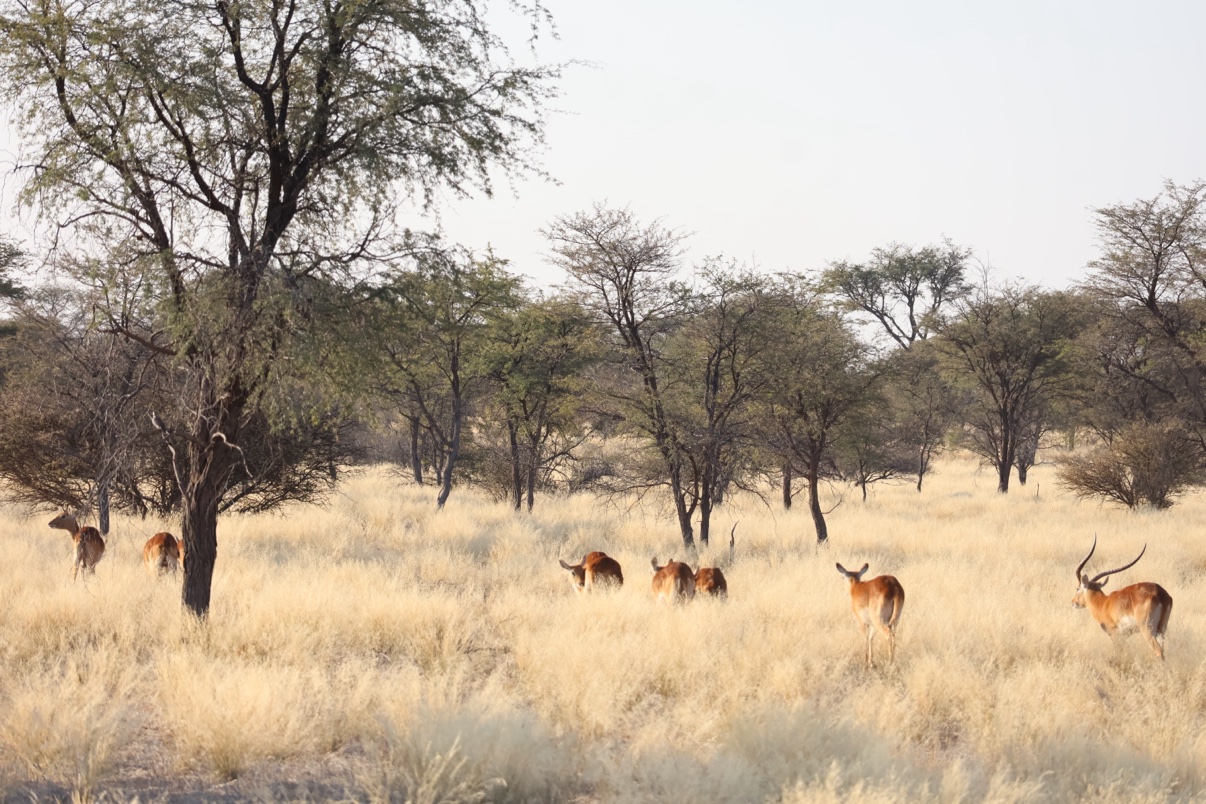
Good biltong starts with good meat, which is why farm-made biltong tastes different from the packaged kind. At Zania we make it from our own beef and game, including kudu, oryx, and springbok. Game biltong is leaner and richer than beef, and once you have tried kudu biltong, the supermarket version will never quite do.
How biltong is made, step by step
- Cut with the grain. The meat is cut into long strips, about 2 to 3 centimeters thick. Thicker strips stay moist inside; thinner strips dry crisp.
- Vinegar bath. The strips are briefly soaked in brown vinegar, which helps preserve the meat and adds tang.
- Spice. The classic mix is coarse salt, cracked black pepper, and ground coriander, sometimes with a little brown sugar or chili. Every family has its own ratio and guards it.
- Hang to dry. The strips hang in a cool, airy place, traditionally a biltong box or a shaded drying room, for three to seven days depending on thickness and weather. The Kalahari's dry air is perfect for it.
- Slice and eat. Biltong is sliced across the grain and eaten as is. Wet biltong is still pink inside; dry biltong is firm throughout. Both have devoted followers.
Guests at Zania can join a biltong-making session and take their own batch home. Fair warning: it rarely survives the drive back to Windhoek.
The braai: more than a barbecue
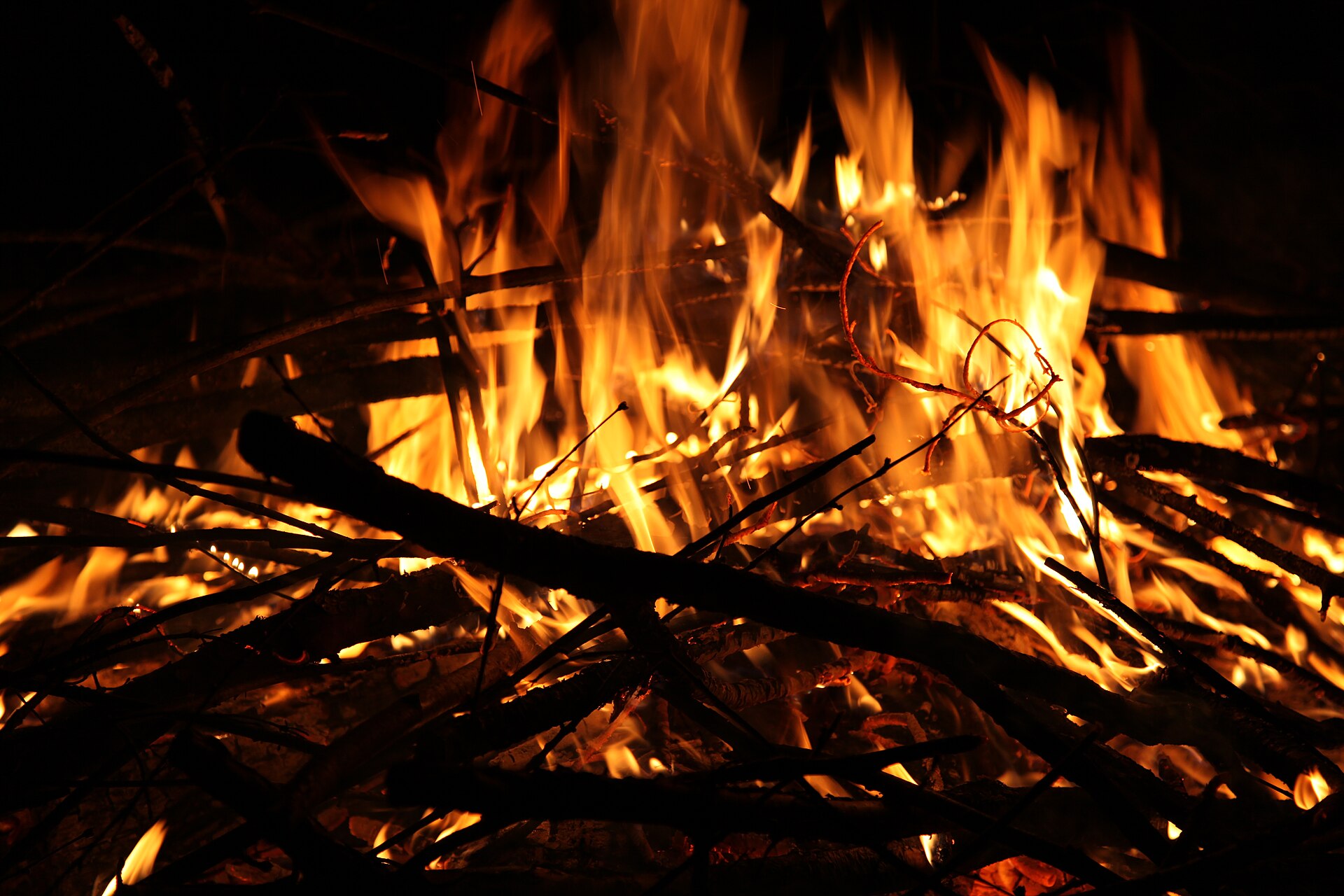
To call a braai a barbecue is technically correct and culturally incomplete. The braai is the social center of Namibian life: the fire is lit in the late afternoon, the coals are judged with the seriousness of a wine tasting, and everything important is discussed around it. Wood matters. Timing matters. Who tends the fire matters.
On the farm, braai meat comes from our own cattle, sheep, and game. A proper farm braai might include boerewors, lamb chops, and a game fillet, with roosterkoek (bread baked on the coals) and a salad from the garden. It is simple food cooked with patience, and it is consistently the meal guests talk about longest.
Potjiekos and farm bread
Two more farm staples worth knowing. Potjiekos is a slow-cooked stew made in a round cast-iron pot over coals, layered rather than stirred: meat at the bottom, vegetables in strata above, simmered for hours until everything surrenders. Farm bread is baked in a Dutch oven buried in coals or in the farmhouse oven, dense, crusty, and perfect for mopping up potjie gravy.
Taking the farm home
One of the best parts of staying on a working farm is that the food does not have to end when you leave. At Zania, guests can buy our beef and game meat to take with them, vacuum packed and ready for the cooler box. It is some of the best meat in the country, from animals raised on open Kalahari grazing, and it makes the drive home considerably more delicious.
Bring a cooler box or buy a polystyrene one on the road. Tell us before you leave and we will have your order packed and ready.
On a farm, you do not eat farm-to-table because it is fashionable. You eat it because the table is on the farm.
Come hungry
Join a biltong-making session, eat from the farm, and take farm meat home with you.
Plan your stay